Blog • Ziebart UAE - No.1 in car care
Message Us

WINDOW TINT

Protect yourself and your passengers from the havoc brought on by the sun. With window tint from Ziebart, you can stay cool by looking cool!

Explore

EXTERIOR DETAILING

Ziebart’s exterior detailing process is a complete top to bottom, bumper to bumper cleaning experience that will restore your vehicle’s original beauty.

Explore

INTERIOR DETAILING

Ziebart’s anti-bacterial interior detailing process is designed to provide a healthier environment for you and your family while extending the longevity of your vehicle’s interior.

Explore

RUST PROTECTION

Ziebart has been innovating automotive protection since 1959. Trust your investment to the most experienced name in the industry, a name synonymous with protection: Ziebart.

Explore

PROTECTIVE FILMS

Ziebart's exclusive films, Window Tint and Z-Shield® Paint Protection Film, will enhance the appearance and protect the longevity of your vehicle.

Explore

SPRAY-ON BED LINER

Spray-on Bed Liners applied at Ziebart are made to be just as rugged and work just as hard as the person behind the wheel.

Explore

AUTOMOTIVE ACCESSORIES

Your vehicle should look and function exactly how you want it to. Ziebart offers a wide variety of automotive accessories to help your vehicle meet your expectations.

Explore
Logo

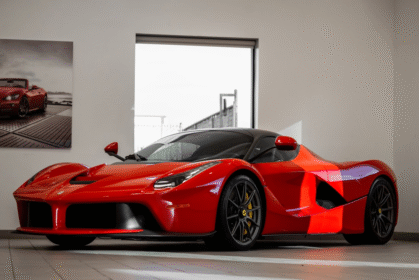
How Supercars in Dubai Benefit from Paint Protection Film

The first thing a supercar loses is not performance. It is the sense that it is new. In Dubai, that shift happens quickly. Not because of damage in the conventional sense, but because the smallest signs of use begin to appear earlier than expected. Once they do, they subtly change how the car is perceived.

For most vehicles, that change is gradual and easy to overlook. For a supercar, it is immediate.

Why Surface Accuracy Matters More on Supercars

Supercars are built around precision. Their surfaces are designed to look clean, uninterrupted, and exact under direct light. There is very little in the design that softens or hides inconsistencies.

This makes the overall appearance dependent on how accurately the surface reflects its original state. Even minor deviations, barely noticeable on other vehicles, become part of the overall impression in this case.

It is not about visible damage. It is about how far the car has moved away from how it first looked.

Where Surface Changes Come From

Surface change is not the result of a single event. It develops through regular use.

Driving, parking, and routine cleaning all introduce small interactions with the surface. These are not aggressive enough to cause obvious damage, but they are consistent. Over time, they begin to affect how the paint responds to light. That is where the difference appears; not in the paint itself, but in how it is seen.

Why Repeated Correction Creates Inconsistency

Most owners respond to these changes by restoring the surface when needed. Polishing improves clarity and removes visible marks, but it also introduces variation.

Some panels are corrected more often than others. Certain areas experience more exposure. As time passes, this leads to subtle differences across the vehicle.

The car may still look clean, but it no longer looks uniform. On a supercar, that distinction becomes noticeable.

How Paint Protection Film Changes Surface Behavior

Paint protection films shift when these changes become visible.

Instead of the paint reacting directly to every interaction, the film takes that initial contact. The underlying surface remains largely unaffected, which slows the rate at which visible changes develop.

This does not prevent use. It changes how quickly use begins to show.

Maintaining Consistent Reflections

In the long run, what separates one supercar from another is often not condition in absolute terms, but consistency.

A car that reflects light evenly across every panel appears well-kept, even after extended use. One with small variations between surfaces feels less precise, even if the differences are minor.

By reducing uneven wear, paint protection film helps maintain that balance for longer.

Targeting High-Exposure Zones

Certain areas of the vehicle change faster than others. The front sections, edges, and lower panels are more exposed during driving and tend to show signs of use earlier.

Focusing protection on these zones helps prevent early imbalance, where one part of the car begins to look different from the rest.

Why Application Standards Are Critical

On a supercar, the margin for error is extremely small.

The film must sit perfectly within the lines of the vehicle, without interrupting the surface visually. Any inconsistency in alignment or finish becomes immediately visible, not because the material is flawed, but because the car’s design leaves no room to hide it.

This makes precision in application just as important as the material itself.

A More Controlled Maintenance Approach

Without protection, maintenance follows a reactive pattern, addressing changes once they become visible.

With paint protection film, the process becomes more controlled. Surface changes develop more slowly, and the need for repeated correction is reduced. The result is not a different car, but one that more closely retains its original condition over time.

Supercars are designed to look a certain way from the moment they are delivered. Change happens through everyday use. With repeated use, its effects become visible, even when the car is carefully maintained.

Paint protection film does not stop that process, but it delays it. For many owners, that difference is what defines how the car continues to look months or years later.

If your goal is to keep your supercar closer to how it looked on day one, book a PPF inspection with Ziebart UAE and assess where early surface changes are most likely to appear.

Why Off-Road SUVs in the UAE Need Extra Paint and Undercarriage Protection

When most SUV owners think about vehicle protection, they focus on what they can see: paint scratches, chips, and surface wear. But in the UAE, some of the most serious damage doesn’t appear on the surface at all. It develops underneath.

The Problem You Don’t Notice Until It’s Too Late

The undercarriage of an SUV is constantly exposed to conditions that are rarely visible during daily use. Unlike exterior panels, which show signs of wear early, the underside of the vehicle absorbs impact quietly over time.

By the time issues become noticeable, they often require more than simple correction.

This is what makes underbody protection different. It addresses risks that are easy to overlook but costly to ignore.

What Happens Beneath the Surface

Driving in the UAE exposes the underside of your SUV to a combination of elements that interact in ways many drivers don’t consider.

These include:

  • Fine sand particles that settle into joints and cavities
  • Moisture that becomes trapped in hard-to-reach areas
  • Salt exposure in coastal regions that accelerates corrosion

Individually, these factors may seem minor. Together, they create conditions that gradually affect structural components.

Why Off-Road Driving Changes Everything

Off-road driving amplifies these effects significantly.

When driving across dunes or uneven terrain:

  • Sand is forced into mechanical gaps and seams
  • Abrasive particles repeatedly impact the underbody
  • Heat and friction increase wear on exposed components

Unlike surface damage, which is often cosmetic, underbody wear can influence how the vehicle performs over time.

The Misleading Appearance of a “Clean” SUV

One of the biggest challenges for SUV owners is that the vehicle can appear well-maintained externally while hidden damage develops underneath.

A polished exterior does not indicate:

  • The condition of the chassis
  • The level of corrosion underneath
  • The buildup of debris in structural areas

This creates a false sense of security, where maintenance focuses on appearance rather than overall condition.

Why Paint Protection Alone Is Not Enough

While protecting exterior surfaces is important, it addresses only part of the problem.

SUVs are exposed to:

  • Road debris impacting paint at high speeds
  • Sand abrasion affecting lower panels
  • Surface wear from daily driving

Paint protection films help reduce visible damage in these areas, particularly on high-impact zones. However, without undercarriage protection, the vehicle remains vulnerable where it matters most.

A More Complete Protection Strategy

Effective SUV protection requires addressing both visible and hidden risks.

This includes:

  • Paint protection film for exposed exterior surfaces
  • Undercarriage coatings to reduce corrosion and wear
  • Regular detailing to remove contaminants from critical areas

By combining these elements, protection becomes more comprehensive rather than surface-level.

The Role of Preventive Maintenance

Protection is not a one-time process. It works best when supported by regular inspection and maintenance.

Routine detailing helps:

  • Remove sand and debris before buildup occurs
  • Maintain protective layers
  • Identify early signs of wear

For SUVs used off-road, this step becomes even more important, as exposure levels are significantly higher.

Long-Term Impact on Performance and Value

Hidden damage does more than affect durability, it influences how the vehicle performs and how it is perceived over time.

SUVs that receive proper underbody and exterior protection tend to:

  • Maintain structural integrity for longer
  • Require fewer mechanical repairs
  • Present better overall condition at resale

In a market where condition directly affects value, addressing hidden risks early provides a measurable advantage.

Rethinking SUV Protection in the UAE

Owning an SUV in the UAE often means using it as intended—on varied terrain, in demanding conditions. Protecting it properly requires a broader perspective that goes beyond visible surfaces.

It means recognizing that:

  • Not all damage is immediately visible
  • Prevention is more effective than correction
  • Long-term condition depends on what happens underneath

SUVs are built to handle challenging environments, but that does not make them immune to wear. In the UAE, some of the most significant damage occurs out of sight, developing gradually beneath the vehicle.

A protection strategy that includes both paint protection and undercarriage treatment ensures that the vehicle is protected from all angles, not just the ones you can see.

Don’t wait for hidden damage to become visible. Schedule an underbody and surface protection inspection with Ziebart UAE and protect your SUV in the most vulnerable areas

Why Electric Vehicles in the UAE Need Specialized Paint Protection

Electric vehicles are designed with a different philosophy: one that prioritizes clarity, simplicity, and precision. Their surfaces are cleaner, their lines are sharper, and their finishes are more reflective than traditional vehicles.

But this level of design refinement comes with a trade-off. Electric vehicles hide nothing.

A Design That Exposes Every Imperfection

Unlike conventional cars, which use contours and body lines to break reflections, electric vehicles rely on smooth, uninterrupted panels. This creates a more modern aesthetic, but also one that reveals even the smallest flaws.

A faint swirl mark.

A light surface scratch.

A subtle inconsistency in reflection.

On many vehicles, these would go unnoticed. On an EV, they become immediately visible, especially under direct sunlight. This is not a flaw in design. It is a consequence of precision.

Why EV Finishes Require a Different Approach

Electric vehicles are often finished with high-gloss coatings that enhance depth and reflectivity. These finishes are designed to look sharp and consistent across every panel.

However, this also means:

  • Surface clarity must be maintained at a higher standard
  • Minor defects disrupt the overall appearance more easily
  • Traditional correction methods become less effective over time

The result is a vehicle that demands consistency, not periodic correction.

The Challenge Is Not Damage, It Is Visibility

All vehicles are exposed to everyday elements such as dust, road debris, and regular handling. What makes EVs different is not necessarily the rate at which damage occurs, but how clearly it is seen.

In strong lighting conditions:

  • Reflections become sharper
  • Surface inconsistencies stand out more
  • Even minor imperfections affect the overall look

For EV owners, this creates a different kind of maintenance challenge. It is no longer just about preventing damage,it is about controlling how the surface appears at all times.

Why Traditional Detailing Falls Short

Standard car detailing focuses on restoring appearance through polishing and correction. While this can improve surface clarity temporarily, it does not prevent new imperfections from forming.

Over time, repeated correction:

  • Gradually reduces paint thickness
  • Requires ongoing maintenance cycles
  • Introduces inconsistency across panels

For a vehicle where visual precision is central to its identity, this approach becomes increasingly limiting.

Paint Protection Film as a Visual Control Layer

Paint protection film (PPF) changes the approach entirely. Instead of correcting imperfections after they appear, it creates a protective layer that reduces how often they occur—and how visible they become.

Applied to the surface, PPF:

  • Absorbs minor impacts before they reach the paint
  • Reduces the appearance of micro-scratches
  • Maintains consistent surface clarity

Modern films also include self-healing properties, allowing light surface marks to disappear with heat. This helps maintain a uniform finish without constant intervention.

Maintaining Surface Consistency Over Time

For electric vehicles, consistency is everything. A single panel with visible wear can disrupt the overall look of the car.

  • Paint protection film helps maintain:
  • Even reflections across all panels
  • Reduced contrast between worn and unworn areas
  • A more stable, uniform appearance

This ensures the vehicle continues to reflect its original design intent.

Resale Value Through Visual Integrity

In the UAE automotive market, exterior condition directly influences perception. For electric vehicles, where design plays a key role in value, surface quality becomes even more important.

A well-maintained finish:

  • Signals careful ownership
  • Reduces the need for repainting
  • Supports stronger resale positioning

Maintaining original paint condition affects how the vehicle is evaluated in the long term.

Precision Installation for Modern Vehicle Design

Electric vehicles often feature advanced panel structures and integrated design elements. Applying paint protection film requires a high level of accuracy.

Professional installation ensures:

  • Clean alignment across large, uninterrupted surfaces
  • Seamless edges without visible transitions
  • Long-term durability without lifting or distortion

This level of precision is essential to match the design standards of the vehicle itself.

Electric vehicles are built around clarity and precision. Their design highlights everything, including imperfections.

Keeping a consistent finish requires preventing visible wear, not constantly repairing it. Paint protection films provide a practical solution by reducing surface imperfections, maintaining clarity, and preserving the integrity of the design over time.

For EV owners, it is not just about protection. It is about maintaining the standard the vehicle was designed to deliver.

Keep your EV’s finish as precise as its design. Book a paint protection consultation with Ziebart UAE and maintain flawless surface clarity from day one.

Protecting Gloss Black Trim on Luxury Cars from Scratches

Gloss black trim, often referred to as piano black, has become a defining design element in modern luxury vehicles. Its deep, reflective finish creates a strong visual contrast against body paint, enhancing the overall appearance of the car. However, this same finish also makes it one of the most difficult surfaces to maintain.

Unlike painted panels, gloss black trim is significantly more sensitive to wear. Maintaining its clarity requires a more controlled and technical approach than standard car care.

Why Gloss Black Trim Is Highly Vulnerable

The primary reason gloss black trim scratches easily lies in its material composition. These components are typically made from softer plastic materials rather than multi-layered painted surfaces.

This results in:

  • Lower resistance to friction
  • Increased susceptibility to micro-abrasions
  • Higher sensitivity to heat under polishing conditions

Even minimal contact, such as dust particles or improper wiping can leave visible marks.

Why Imperfections Are More Visible

Gloss black surfaces reflect light more intensely than most automotive finishes. This reflection amplifies even the smallest imperfections.

As a result:

  • Fine swirl marks become highly noticeable
  • Light scratches appear more pronounced
  • Surface inconsistencies affect overall visual quality

This is why gloss black trim often appears worn earlier than other parts of the vehicle.

Everyday Contact as the Main Cause of Damage

Unlike major paint damage, wear on gloss black trim develops gradually through repeated minor contact.

Common causes include:

  • Handling doors and trim areas
  • Dust accumulation during driving
  • Improper microfiber usage
  • High-friction or automated washing processes

Each interaction introduces small abrasions that build up over time, leading to visible surface degradation.

Why Standard Cleaning Methods Fall Short

Traditional washing techniques often increase the risk of damage. Direct contact cleaning, especially without proper surface preparation, allows dust particles to act as abrasives.

To limit these effects, professional car detailing prioritizes:

  • Non-contact pre-washing to remove contaminants
  • Controlled drying techniques
  • Minimizing friction during cleaning

This approach significantly lowers the chances of introducing new scratches.

A Precision-Based Approach to Correction

Correcting gloss black trim requires a level of precision that differs from paint correction. Aggressive polishing methods can generate heat, which may distort the plastic surface.

Professional detailing involves:

  • Gradual defect removal using controlled abrasives
  • Low-speed machine polishing to manage heat
  • Multi-stage refinement to restore clarity

This ensures that the finish is improved without compromising the material.

Why Protection Is Essential for Long-Term Results

Surface correction alone is not sufficient. Without protection, gloss black trim will quickly return to its previous condition.

Protective coatings provide a barrier that:

  • Reduces friction during future cleaning
  • Limits dust adhesion
  • Improves resistance to micro-scratches
  • Maintains gloss depth over time

In environments like Dubai, where dust exposure is constant, this protection becomes a necessity rather than an option.

The Shift Toward Preventative Detailing

Car detailing has evolved beyond periodic correction. For sensitive materials such as gloss black trim, the focus is now on early protection and controlled maintenance.

This approach:

  • Reduces the need for repeated polishing
  • Preserves material integrity
  • Maintains consistent surface quality

Gloss black trim enhances vehicle design but requires a more refined care strategy. Its sensitivity to contact and environmental exposure makes it particularly vulnerable to visible wear.

With the right combination of precision detailing and protective solutions, it is possible to maintain its clarity and finish over time without repeated correction. Preserve the finish of your vehicle’s most delicate surfaces. Protect your vehicle’s finish with professional car detailing and surface protection solutions from Ziebart UAE.

Why Panoramic Sunroofs Need Heat-Rejection Films in Dubai

Panoramic sunroofs are designed to enhance openness and visibility, adding a sense of space to the driving experience. In Dubai’s climate, however, they can cause heat buildup that impacts both comfort and usability.

The real challenge is not the feature, but its performance in high solar conditions.

The Science of Heat Buildup

Sunlight entering a vehicle consists of visible light, ultraviolet (UV), and infrared (IR) radiation. While UV contributes to fading and material damage, infrared radiation is the primary cause of heat accumulation inside the cabin.

Factory-tinted glass mostly limits brightness, not heat buildup. It does not effectively block infrared energy. As a result, vehicles with large glass surfaces, especially panoramic roofs experience significantly higher internal temperatures.

In Dubai, where sunlight intensity remains consistently high, this effect becomes more pronounced.

Impact on Daily Use

Without thermal control, panoramic roofs can lead to:

  • Rapid temperature increases inside the cabin
  • Greater reliance on air conditioning systems
  • Reduced comfort during short and long drives
  • Greater impact on interior surfaces

This gradually reduces usage, even though the feature is designed to enhance the driving experience.

Performance Benefits of Heat-Rejection Films

Modern heat-rejection films are engineered to regulate solar energy rather than simply darken glass. Using advanced materials such as nano-ceramic coatings, they selectively block infrared radiation while maintaining clarity.

These films:

  • Significantly reduce heat transfer into the cabin
  • Limit exposure to most UV rays
  • Allow natural light in without reducing visibility

This allows the panoramic roof to function as intended, enhancing the driving experience without compromising comfort.

Comfort Without Compromise

A key advantage of modern film technology is that performance is no longer linked to darkness. Drivers can retain visibility while benefiting from reduced heat and glare.

The result is:

  • Faster stabilization of cabin temperature
  • Better comfort in extreme heat
  • Less glare for clearer daytime visibility

This transforms the panoramic roof from a passive feature into a practical one.

Extending the Life of Interior Materials

Heat and UV exposure gradually degrade interior components:

  • Leather surfaces lose flexibility and color
  • Plastics become brittle
  • Trim elements show signs of aging

By limiting heat buildup and UV penetration, heat-rejection films help maintain interior quality, reducing the need for frequent restoration or replacement.

Energy Performance and Efficiency

Thermal control also impacts vehicle efficiency. Lower cabin temperatures reduce the load on air conditioning systems.

This contributes to:

  • Improved fuel efficiency in traditional vehicles
  • Better energy management in electric vehicles

In high-temperature environments, these incremental improvements can have a noticeable effect over time.

Precision Installation as a Performance Factor

The effectiveness of heat-rejection film depends on how accurately it is installed. Panoramic roofs require:

  • Seamless application across large glass surfaces
  • Distortion-free clarity
  • Controlled installation environments

Professional installation ensures durability and consistent performance without visual compromise.

A Functional Upgrade for Dubai Conditions

In Dubai, managing heat is essential for maintaining comfort and usability. Panoramic sunroofs, while visually appealing, require additional protection to perform effectively in this environment.

Heat-rejection film offers a practical solution by improving thermal control, protecting interior materials, and enhancing overall driving comfort.

Upgrade your panoramic sunroof for real-world performance. Equip your vehicle with high-performance car window tinting from Ziebart UAE for improved heat rejection and comfort.

Top 10 High-Impact Zones on Your Car That Need Paint Protection Film

Maintaining a flawless vehicle finish in Dubai is less about time and more about exposure. Within a relatively short period, even well-maintained vehicles begin to show signs of wear: fine scratches, fading, and surface marks caused by sand abrasion, road debris, and prolonged UV exposure.

Conventional methods, such as polishing and periodic detailing, no longer provide complete protection. The priority has shifted to preventing damage, rather than dealing with repairs afterward.

Paint Protection Films (PPF) play a central role in this approach. Applied as a transparent, impact-resistant layer, it protects vulnerable surfaces before damage becomes visible.

The Importance of Paint Protection Film in Dubai

Dubai presents one of the most demanding environments for automotive paint. High UV levels, frequent dust exposure, and high-speed driving conditions accelerate surface deterioration beyond what is typically seen in milder climates.

Paint protection film is engineered to address these conditions by:

  • Withstanding impact from road debris and small stones
  • Decreasing the impact of sand-induced abrasion
  • Limiting UV-related fading and oxidation
  • Preserving the integrity of factory paint

Instead of relying on repeated correction, PPF introduces a proactive layer of defense that reduces long-term wear and maintenance requirements.

The 10 Most Vulnerable Areas on Your Vehicle

Vehicle surfaces are not exposed to the same conditions equally. Certain zones consistently face higher impact and require targeted protection.

1. Front Bumper (Primary Impact Zone)

As the first point of contact, the front bumper is continuously exposed to debris and gravel, making it the most susceptible to damage.

2. Hood (Combined Exposure Surface)

The combination of debris impact and UV exposure makes the hood one of the most at-risk areas for chips and fading.

3. Front Fenders (Debris Accumulation Area)

Located near the wheels, fenders collect particles that gradually erode the paint surface.

4. Side Mirrors (High-Exposure Components)

Their outward position makes them vulnerable to both environmental impact and incidental contact in urban settings.

5. Door Edges (Frequent Contact Points)

Daily use in tight parking spaces results in repeated chipping along the door edges.

6. Door Handle Cups (Micro-Scratch Zones)

Constant interaction with hands, keys, and accessories results in visible wear.

7. Rocker Panels (Continuous Abrasion Area)

Positioned on the lower body, these panels are exposed to constant impacts from sand and debris.

8. Rear Bumper and Trunk Ledge (Loading Impact Zone)

Constant handling during loading and unloading causes scratches to form over time.

9. Headlights (Functional Clarity Risk)

Continuous UV exposure results in oxidation, gradually reducing clarity and visibility.

10. Roof and Pillars (Long-Term Exposure Surfaces)

Even though they are often overlooked, continuous sunlight causes these areas to lose color over time.

Protection vs Correction: A Strategic Decision

Many vehicle owners rely on polishing and repainting to maintain appearance. While effective in the short term, these methods are corrective by nature and often require repetition.

Over time, repeated correction:

  • Reduces paint thickness
  • Increases maintenance frequency
  • Adds to long-term costs

Preventative protection offers a more sustainable approach by preserving the original finish and minimizing the need for corrective work.

In markets like Dubai, where vehicle condition plays a significant role in resale value, maintaining original paint quality is a measurable advantage.

The Evolution of Car Detailing in Dubai

Car detailing has evolved beyond surface-level enhancement. It now focuses on long-term preservation, combining cleaning, correction, and protection into a single strategy.

At Ziebart UAE, this approach includes:

  • Detailed surface preparation prior to film application
  • Precision installation on high-impact zones
  • Integration of protection solutions into ongoing maintenance

This ensures that protection is not treated as an optional upgrade, but as a core component of vehicle care.

Maintaining a Consistent Finish Over Time

A vehicle’s appearance is shaped as much by durability as it is by first impressions.

By protecting high-impact areas, vehicle owners can:

  • Reduce visible wear and surface damage
  • Maintain a consistent finish across all panels
  • Lower the need for frequent corrective detailing

This results in a vehicle that retains its original condition for longer, even under demanding environmental conditions.

Protect Before Damage Becomes Visible

Constant exposure in these conditions gradually leads to damage without proper protection.

Paint protection film provides a controlled, long-term solution by shielding the most vulnerable areas of the vehicle from daily impact and environmental stress.

For those who value consistency in appearance, reduced maintenance, and long-term vehicle value, protecting high-impact zones is a practical necessity. Book a professional paint protection consultation with Ziebart UAE and safeguard your car against Dubai’s toughest conditions.

Interior Hygiene Trends 2025: Anti-Microbial Treatments for UAE Car Owners

The UAE automotive culture continues to evolve in ways most global markets have only begun to recognize. With rising awareness of hygiene, sustainability, and personal health, 2025 is shaping up to be the year of interior wellness innovation, and at the center of this transformation is the surge in anti-microbial car care technologies. What used to be a niche offering for luxury vehicles has now become a mainstream demand, accelerated by climate conditions, consumer behavior shifts, and a new wave of automotive aftercare science.

In a region where cars are used as personal hubs, mobile offices, and family spaces, the emphasis on healthier cabins has become a defining part of car interior cleaning trends. From UV sterilization systems to anti-bacterial coatings, the UAE is seeing a strong shift toward interior hygiene as a long-term value add, not just a cleaning service.

A Post-Pandemic Mindset Meets Emirati Climate Reality

Although the global pandemic catalyzed widespread hygiene awareness, the UAE’s unique environment has sustained the trend far beyond global averages. Local research indicates that over 65% of car owners in the UAE identify interior hygiene as a top vehicle maintenance priority, a figure significantly higher than the global average of 42%.

Why?

Because the UAE climate conditions amplify the need. High humidity, regular AC usage, dust exposure, and extended heat cycles create a perfect breeding ground for:

Bacteria

Fungal spores

Mold colonies

Viral contaminants

Odor-causing microbes

The average UAE vehicle cabin reaches temperatures above 55°C when parked outdoors, creating periodic heat cycles that allow microorganisms to multiply rapidly once the AC cools the interior again. This recurring pattern makes traditional car interior cleaning insufficient on its own, paving the way for anti-microbial solutions that offer long-term protection.

Trend #1: Anti-Microbial Coatings with 99.9% Kill Rates

2025 will see a sharp rise in nano-coating technologies formulated specifically for interior surfaces. These coatings integrate silver ions, titanium dioxide, and quaternary ammonium compounds to eliminate microbial presence on contact.

Industry analytics show:

A 43% increase in customer inquiries for anti-microbial coatings in the past 18 months

A projected 18% annual growth in the UAE’s cabin-disinfection segment through 2026

What makes these coatings appealing is their longevity, is many offer up to 12 months of microbial protection on frequently touched surfaces, such as:

Steering wheels

Gear shifters

Door handles

Infotainment screens

AC vents

These coatings complement rather than replace conventional car interior cleaning, creating a durable hygiene shield.

Trend #2: UV-C Cabin Sterilization – From Hospitals to Cars

UV-C sterilization, long used in medical-grade environments, is now entering consumer vehicle treatment packages at scale. Portable UV-C lamps and installed cabin units are gaining traction due to their ability to deactivate viruses and bacteria at the molecular level. Regional adoption is rising, with UAE auto centers reporting a 60% jump in UV sterilization requests since 2023.

The technology appeals to owners who want:

A chemical-free solution

Quick sterilization (5–10 mins)

High efficacy against hard-to-reach microbes

The science is compelling: UV-C wavelengths around 254 nm rupture microbial DNA, rendering pathogens unable to reproduce. In a desert climate filled with floating particulate matter, this technology bridges a critical hygiene gap.

Trend #3: Cabin Air Quality Sensors & Anti-Microbial AC Treatments

AC systems are microbial hotspots in the UAE. Constant cooling leads to condensation, and condensation leads to mold.

Drivers often notice:

Musty cabin smells

Allergy flare-ups

Foggy windows

AC inefficiency

In 2025, cabin air quality sensors are expected to be standard in many new vehicles sold in the UAE.

These sensors monitor:

VOC levels

Particulate matter (PM2.5 and PM10)

Humidity

CO₂ concentrations

Pairing sensors with anti-microbial AC cleaning treatments such as enzyme-based cleaners, ozone shocking, and anti-fungal sprays is becoming a major trend. Industry data shows that 40% of indoor air contamination inside vehicles originates from AC ducts, making AC sterilization a critical part of modern car interior cleaning packages.

Trend #4: Bio-Based Cleaning Agents Replace Harsh Chemicals

Consumers in the UAE are becoming increasingly aware of environmental and health impacts from conventional chemical cleaners. As a result, the region is experiencing a shift toward bio-based enzyme cleaners.

These solutions:

Break down organic matter naturally

They are safe for kids and pets

Reduce VOC emissions

Improve air quality

Market projections estimate a 22% annual growth in eco-friendly car-care products through 2027. For a country actively moving toward sustainability, this aligns with the UAE Vision 2030 framework.

Trend #5: Deep Fabric and Leather Disinfection

In 2025, deep fabric sanitation will no longer be optional. Seats, carpets, and floor mats carry more microbial load than most drivers realize. Studies show that car seats contain six times more bacteria than a household toilet seat, especially in hot climates.

Advanced disinfection now combines:

Steam cleaning

High-temperature extraction

Anti-microbial foam treatment

Leather conditioning with anti-bacterial agents

This elevates car interior cleaning from cosmetic to clinical-grade care.

Why These Trends Matter for UAE Drivers

The UAE is a high-contact, high-mobility society.

Cars double as:

Workspaces

Family transport

Daily commute vessels

Rideshare assets

As such, protecting cabin health ensures:

Allergy reduction

Better air quality

Higher resale value

Safer driving environments

Longer interior material lifespan

Moreover, anti-microbial treatments contribute to a more hygienic driving culture in a region where environmental extremes challenge conventional cleaning practices.

Final Thoughts

Interior hygiene in 2025 is not just about keeping a car clean; it’s about creating a healthier, safer, and smarter driving environment. With anti-microbial coatings, UV sterilization, bio-based cleaners, AC decontamination, and sensor-driven hygiene technologies on the rise, UAE car owners are redefining what premium vehicle care looks like. Investing in advanced car interior cleaning solutions is no longer a luxury; it’s a lifestyle shift aligned with modern health standards and ever-evolving regional conditions.

Getting Your Car Winter-Ready in the UAE: Common Mistakes Drivers Make After Summer

Winter in the UAE may not resemble the snow-covered landscapes seen elsewhere, but the seasonal shift brings its own set of automotive challenges. After enduring months of punishing heat often crossing 45°C, high UV exposure, abrasive dust, and heavy AC usage, vehicles in the UAE urgently need post-summer recovery. Yet most drivers underestimate the importance of transitioning their cars from summer strain to winter readiness. As a result, a large percentage of breakdowns, detailing deterioration, and performance issues occur after summer, not during it.

Industry surveys estimate that nearly 60% of UAE car owners delay post-summer maintenance, believing that winter is “gentle enough” on their vehicle. Unfortunately, a mild winter doesn’t mean your car is in the clear. Below, we explore the most common mistakes UAE drivers make after summer, supported by regional insights, analytics, and real-world observations, and how to prepare your vehicle for cooler months the right way.

  1. Ignoring Post-Summer Engine Stress

UAE summers push engines to their limit. High temperatures cause oil to thin, coolant to evaporate faster, and belts and hoses to degrade prematurely. Yet, most drivers skip an essential engine health inspection right after summer. Data from regional auto service centers reveals that 30% of overheating issues recorded between November and January stem from post-summer neglect, not winter-specific problems. When hot-weather-worn components face sudden cooler nights, micro-cracks and leaks begin to show.

Professional Tip: Conduct a full post-summer inspection of oil, coolant, belts, hoses, and engine bay cleaning. Pair it with high-quality car detailing services, which remove trapped sand and dust affecting engine ventilation.

  1. Skipping a Deep Exterior Decontamination

After months of sandstorms, UV exposure, and road tar accumulation, your car’s paint needs more than a basic wash. Many UAE residents assume that cooler weather means their paint is automatically safe from damage. In reality, summer contaminants bond extremely strongly to the clear coat. Analytical studies from local detailing labs show that paint surfaces accumulate up to 40% more embedded pollutants in summer compared to winter. If not decontaminated, this buildup reduces gloss retention and accelerates paint oxidation.

Solution: Book winter-prep car detailing services that include clay treatment, paint decontamination, mineral removal, and UV-protection sealants.

  1. Not Reconditioning the AC System

Summer AC usage in the UAE is far more intense than anywhere else in the region. The average driver relies on the AC for up to 80% of their trips during peak summer months. But once winter arrives, most drivers simply switch it off, forgetting that the system still needs maintenance.

Failing to service the AC can lead to:

Moisture buildup

Mold and bacteria growth

Weak cooling performance comes next summer

Odor formation

Industry statistics show a 25–30% rise in AC servicing requests in March and April, simply because drivers didn’t maintain the unit after summer.

Solution: Run your AC periodically during winter and get the filter, ducts, and evaporator professionally cleaned.

  1. Overlooking Tire Fatigue and Pressure Shifts

Tires in the UAE face extreme heat loading, causing internal air expansion, accelerated sidewall wearing, and rubber hardening. When winter arrives and temperatures drop at night, tire pressure declines sharply. Nearly 40% of roadside assistance calls between December and February are related to tire damage caused by post-summer fatigue.

Common mistakes include:

Not checking pressure for months

Ignoring cracks from heat exposure

Driving with hardened tires that have lost traction

Solution: Inspect tires thoroughly, rotate them if needed, and ensure pressure is adjusted according to manufacturer recommendations.

  1. Forgetting About Battery Stress

Because of heat exposure, car batteries in the United Arab Emirates hardly ever last their entire life.  Plate corrosion and electrolyte evaporation are accelerated by high temperatures.  A weaker battery suddenly suffers when the temperature drops, leading to unplanned failures.  According to service statistics, battery failure increases by 35% during the winter months—not because cold destroys batteries, but rather because summer has already done so.

Solution: Examine the condition of your battery every six months, particularly prior to winter.

  1. Ignoring Fluid and Wiper Blades

Drivers neglect their wipers until the first unexpected sprinkle reveals streaking, squeaking, or total inefficiency after months without rain.  Rubber is stiffened by UV exposure, and wiper edges are worn down by dust buildup.  More than half of car owners only notice wiper failure during winter rain episodes, according to a UAE-wide automotive survey.

Solution: Replace wipers annually and refill washer fluid with winter-grade formulas for better cleaning.

  1. Not Protecting the Interior After Heat Damage

Leather, dashboards, and interior trims crack, fade, or lose elasticity after prolonged exposure to summer heat. Cooler temperatures don’t reverse the damage; they highlight it. Many drivers mistakenly believe that winter will “rest” the interior. Interior deterioration is one of the most common issues observed by experts offering car detailing services in UAE. The summer-to-winter transition exposes:

UV-faded leather

Cracked dashboards

Dust embedded in fabric

Loose interior trims

Solution: Opt for interior conditioning, leather treatment, and deep vacuuming to restore cabin health.

  1. Assuming Winter Needs Less Maintenance

This is the biggest misconception. Winter is not easier on your car. It simply reveals the damage that summer has already caused.

Cooler months introduce:

Nighttime humidity that accelerates paint moisture absorption

Longer drives due to tourism influx and events

Higher likelihood of fog and moisture-related windshield issues

After-summer maintenance is not an indulgence, but rather a precautionary step.

Final Thoughts

Despite the United Arab Emirates’ mild winters, the shift from extreme heat to cooler temperatures is an important maintenance point that most drivers overlook. The best course of action is proactive service, which takes care of the hidden stress your car endured during the summer. Whether it’s paint decontamination, interior renewal, engine component insulation, or AC performance restoration, investing in the right auto detailing services and mechanical examinations may greatly improve your car’s longevity, performance, and appearance. Your car survived the summer. Let it grow over the winter now.

PPF Care Mistakes Most Owners Make in the UAE – And How to Avoid Them

In a market where automotive aesthetics are treated almost as seriously as performance, Paint Protection Film (PPF) has become one of the most common upgrades for car owners in the region. Demand for PPF in Dubai has surged over the last five years, driven by the UAE’s harsh climate, premium car culture, and rising resale value expectations. According to regional aftermarket data, the GCC automotive protection sector is growing at over 11% annually, with PPF accounting for one of the fastest-expanding service segments.

But despite the rising adoption, a large portion of UAE car owners unknowingly sabotage their PPFs’ lifespan and performance. The issue isn’t the product; modern thermoplastic urethane films are remarkably resilient. The real problem lies in how owners care for them. Below are the most common PPF care mistakes drivers in the UAE make, supported by industry insights and analytics, and how to avoid them before your investment loses its shine literally.

  1. Washing the Car Too Soon After Installation

Most owners don’t realize that PPF needs 48–72 hours to fully cure after being applied. In Dubai’s heat, curing accelerates, but humidity can prolong it. Analytics from regional installers show that nearly 40% of PPF failures, such as edge lifting or bubbling, occur because the film was exposed to water too early. Car owners often rush to a pressure wash after a weekend desert drive, but water jets can compromise adhesive bonding. A simple delay of three days could prevent a costly correction job.

Solution: Avoid washing, rinsing, or applying any cleaning products for at least 72 hours post-installation.

  1. Going to Low-Quality Car Washes

Not all car washes are created equal. Many local car owners, especially those driving daily, opt for convenient, inexpensive services in mall parking lots or petrol stations. But improper wash techniques, dirty mitts, aggressive chemicals, and worn brushes can cause micro-marring and premature discoloration. Industry statistics show that PPF damage from poor washing techniques accounts for nearly 30% of early wear complaints in the UAE. The combination of alkaline shampoos, recycled water, and harsh scrubbing is a recipe for disaster.

Solution: Choose a PPF-friendly wash service or opt for touchless washes to avoid abrasion.

  1. Ignoring the UAE Climate Factor

Dubai’s environment is one of the most challenging for PPF longevity. UV exposure can exceed 1800 kWh/m² annually, and dust abrasion from shamal winds contributes to micro-scratches. Many owners assume PPF makes their car invincible, but the film still requires climate-aware care. A study of PPF performance in GCC climates shows that films exposed to extreme heat without routine maintenance can lose up to 25% gloss retention within 18 months, even for premium brands.

Solution: Use PPF-approved sealants or ceramic coatings designed to withstand UV radiation and sand abrasion. Routine detailing helps maintain optical clarity.

  1. Using Wax or Polishes Not Suitable for PPF

One of the most common mistakes in the UAE’s detailing culture is applying conventional wax or abrasive polish on PPF-covered surfaces. Many waxes contain petroleum distillates or chemicals that can reduce the film’s elasticity and stain matte/satin PPF. Even worse, abrasive polishes can strip the self-healing top coat. Data from professional detailers in Dubai shows a 15–20% increase in film dulling cases traced back to improper polishing.

Solution: Use only PPF-safe products, polymer sealants, PPF-specific coatings, and non-abrasive cleaners.

  1. Neglecting Regular Maintenance

The myth that PPF is “install-and-forget” is deeply rooted among UAE car owners. However, neglecting maintenance allows contaminants such as tar, brake dust, and road oils to embed into the film. Dubai’s roads see heavy traffic, and the average car accumulates 20–40% more environmental contaminants annually compared to European cities. Without regular decontamination, PPF can yellow, lose hydrophobicity, and appear patchy.

Solution: Schedule a maintenance wash every 1–2 weeks and a professional deep-clean and inspection every three months.

  1. DIY Attempts That Go Wrong

Because the UAE has a thriving DIY car care community, many owners attempt to “repair” or “touch up” their PPF on their own. This includes trimming lifted edges with blades, using heat guns incorrectly, or peeling the film partially. These attempts often cause more damage, leading to full-panel replacements that could have been avoided.

Solution: If the film lifts, yellows, or wrinkles, let professionals handle it PPF is not a DIY-friendly product despite what online videos suggest.

  1. Parking Habits That Accelerate Wear

Many UAE residents park under direct sunlight or near construction sites. Prolonged UV exposure accelerates oxidation, while construction dust and airborne cement particles are abrasive. Analytics from Dubai’s automotive detailing sector show that cars parked in shaded or underground areas have PPF that lasts up to 40% longer.

Solution: Whenever possible, park indoors or in shaded areas. If you must park outside, use a high-quality car cover.

  1. Not Choosing the Right PPF Installer

While the focus is often on product brands, installation quality contributes to over 60% of customer satisfaction issues. The UAE market is full of uncertified installers offering lower prices, but poorly applied PPF negates even the world’s best film technology. Misalignment, dust inclusions, premature edges, and poor surface prep all reduce longevity.

Solution: Choose certified installers specializing in PPF in Dubai with calibrated equipment and controlled environments.

Final Word

PPF is a long-term investment that can protect your car for up to 10 years if maintained correctly. But in the UAE, where the environment is uniquely harsh, avoiding these common mistakes is essential. With proper care, the right products, and professional maintenance, your PPF will continue to perform exactly as intended: keeping your car looking new, glossy, and protected in a region where aesthetic wear happens fast. If you’re going to invest in PPF, invest in maintaining it. Your car and your wallet will thank you.

The Rise of Premium Car Care in Ras Al Khaimah: Why Drivers Trust Ziebart

Ras Al Khaimah is a rewarding place to drive. It is also a punishing place for paint, plastics, and interiors. Salt-laden coastal air, high UV exposure, abrasive desert dust, and stop-start urban traffic combine into a harsh test for vehicle finishes. That is why premium car care is not a luxury. It is a maintenance strategy. And it explains why discerning owners increasingly choose Ziebart for car detailing and long-term surface protection.

The Shift from Quick Clean to Engineered Protection

Traditional washing focuses on visible dirt. Premium car detailing treats the vehicle as a system. Each surface has a different chemistry, wear pattern, and risk profile. Clear coats oxidize, trim fades, glass etches, and interiors absorb VOCs and odors. Ziebart’s process-led car detailing services map those risks to targeted treatments that are measurable, repeatable, and warranty backed.

In practical terms, the shift looks like this. Instead of a single shampoo, the vehicle receives a pH-balanced decon wash, iron fallout removal, and mechanical clay to reset the surface. Instead of using generic wax, a nano ceramic coating forms a cured molecular layer with surface contact angles typically ranging from 110 to 120 degrees, delivering exceptional hydrophobic runoff, UV resistance, and easier long-term maintenance. For daily drivers and weekend tourers alike, this reduces rewash frequency, swirl formation, and time off the road.

Why Ras Al Khaimah Drives Demand for Premium Protection

Local climate conditions accelerate paint and interior aging. UV exposure catalyzes clear coat degradation and color fade. Hot panel temperatures soften clear coats, which makes micro-marring from dust more likely during contact washes. Coastal humidity and saline mist increase corrosion risk on hidden seams and fasteners. Premium interventions counter those exact mechanisms.

  • Paint Protection Film (PPF) absorbs impact energy from road grit and recovers minor scuffs with heat. Modern TPU films feature self-healing top coats that reflow at typical summer panel temperatures.
  • Nano ceramic coatings deliver superior gloss retention, minimize water spotting, and offer advanced resistance against chemical etching caused by bird droppings, road salts, and hard water deposits.
  • Interior antimicrobial treatments and ozone sanitation neutralize odors at the source rather than masking them with fragrance.
  • Underbody and cavity protection mitigates corrosion risks for vehicles that live near marinas, beach roads, or new-build sites with airborne debris.

The outcome is not just cosmetic. It is lifecycle value. Better preserved surfaces protect resale, reduce corrective polishing cycles, and steady total cost of ownership.

Ziebart’s Differentiator: Process, Chemistry, Validation

Ziebart’s advantage starts with controlled process. Surface preparation is performed under lighting that reveals high-frequency defects. Paint is measured with a gauge to profile thickness and set safe correction limits. Machine polishing follows a defect-first path using diminishing abrasives and matched pad systems to minimize clear coat removal. This is how you correct without compromising.

Chemistry is the second pillar. ISO-aligned consumables, silicone-free bodyshop-safe compounds, and solvent-balanced panel wipes support proper bonding. Ceramic systems are layered to spec, with dwell and cure windows observed for maximum crosslink density. PPF is installed with pattern software to reduce on-vehicle cutting, then post-heated at edges to lock stretch memory. Window films use UV-rejecting stacks that help manage cabin temperatures while protecting dashboards and leather from fade.

Validation completes the loop. Rather than relying on a visual check alone, Ziebart measures aftercare performance with simple, repeatable metrics:

  • Gloss units after correction and after coating
  • Contact angle and beading behavior at delivery and at service intervals
  • Defect count per panel using inspection lighting
  • Interior air quality improvement after ozone treatment

This analytics mindset aligns with how premium owners maintain watches, cameras, or yachts. It is preservation with evidence.

Beyond the Detail: The Service Experience that Builds Trust

Premium outcomes require premium control. Ziebart structures the journey to reduce variability:

  • Consultation that profiles use case, commute type, parking conditions, and wash habits
  • Bespoke package design that prioritizes PPF on impact zones, ceramic on broad panels, and window tint for thermal comfort
  • Clear service timelines and post-care guidance, including safe wash methods, pH windows, and maintenance boosters
  • Warranty support and documented service intervals that future buyers can verify

Trust grows when owners see that each recommendation connects to how they drive and where they park in Ras Al Khaimah. The experience feels tailored because it is.

Frequently Asked Questions Owners Raise in RAK

Is car detailing worth it for daily drivers?
Yes. Daily use is exactly where protection compounds value. Hydrophobic ceramics and coated glass reduce cleaning time and improve visibility during sudden rainfall. PPF on bumpers, hoods, and mirrors resists chip formation from highway grit.

How often should I schedule car detailing services?
For a protected car, plan a quarterly decon and inspection. For unprotected finishes, aim for monthly light maintenance and consider upgrading to nano ceramic or PPF to slow down defect accumulation.

Will PPF or ceramic change the look of my car?
PPF is optically clear and can even be chosen in matte for a satin transformation. Ceramics deepen gloss and improve clarity when the base paint is corrected properly.

Why Ziebart in Ras Al Khaimah

Ziebart brings a global pedigree, standardized training, and UAE-tested protocols to a local climate that demands more from finishes. The brand’s combination of engineering-grade materials, measurement-led correction, and warranty-backed programs puts it at the premium end of car detailing services in the region. For owners who want showroom presence without constant rework, that combination is the difference between a clean car and a protected asset.

If you want your car to look exceptional today and resilient tomorrow, start with a Ziebart consultation. Specify your driving pattern, parking environment, and aesthetic goals. The team will map the right blend of PPF, nano ceramic coating, interior treatment, and maintenance to your life in Ras Al Khaimah. Premium protection is not an upgrade. It is your new baseline.